Tuesday, May 1, 2018
Waldensian Heritage Winery Story 2
125th Celebration!
May 26, 2018: 10am Festival at LPDA & Valdese Family Splash Park that will have family-friendly activities for all. Activities will include: bocce lessons, courenta, grape-stomping, basket weaving, with special food and music by Whitewater Bluegrass Company and much more! Festival Di Birra: 3-7pm at Waldensian Mill
May 28-June 1, 2018: Waldensian Archives/Genealogies and special events at the Waldensian Heritage Museum. Meet with a representative from the Achivio Tavola Valdese of Italy to learn more about your heritage. For more information call 828-874-1111.
June 1-2, 2018: A Cultural Symposium- Four Faces of Waldensianism. Four Faces of Waldensian Witness: Italy, France, Germany, and South America. Special presentations by: Claudio Pasquet: Pastor and Historian of the Waldensian/Methodist Church of Italy. Gabriel Audisio: Writer and Historian of the Southern French Waldensians of the 15th & 16th Centuries. Albert de Lange: Writer and Historian of the Waldensian Settlements in Germany. Javier Pioli: history teacher and graduate in theology from Uruguay on the settlements in Argentina and Uruguay and their ongoing witness today
June 1-July 20, 2018: The Rock School Arts Foundation is collecting photos of Early Valdese for exhibition in the Rock School Arts Galleries in June and July, 2018 for the 125th celebration. They will be accepting pictures of Valdese from the first 85 years of settlement. Three categories of the first 85 years will be displayed: groups, individuals, and places in Valdese or the Valleys. Each person is limited to submit 5 photos. The Rock School Arts Foundation will be receiving photos at the Old Rock School on May 29 & 30th, 2018. Reception June 3rd.
June 25-28, 2018: Community-wide Vacation Bible School at the Trail of Faith. Themes covered: Waldo and his movement of preaching starting with the 12th century; The importance of education to the Waldensians; What Waldensians believe; Arnaud and the Glorious Return; The Settlement of Valdese. Churches participating in the Valdese Ministerial Association will work together to present this educational opportunity each night. Begins at 6:30pm.
July 13-August 11, 2018: “From This Day Forward” Historic Outdoor Drama of the Waldenses- tickets available for purchase at Fred B. Cranford Amphitheatre box office or at the Old Rock School.
August 10-11, 2018: Annual Waldensian Festival to celebrate The Glorious Return. Regional Bocce Tournament at the LPDA.
December 1, 2018: Valdese Annual Christmas Parade - Wear your Waldensian outfits to celebrate the 125th year of Valdese!
December 9, 2018: Community-Wide Moravian Love Feast Service. 5:00pm at Waldensian Presbyterian Church.
*************************

The Train is Coming...
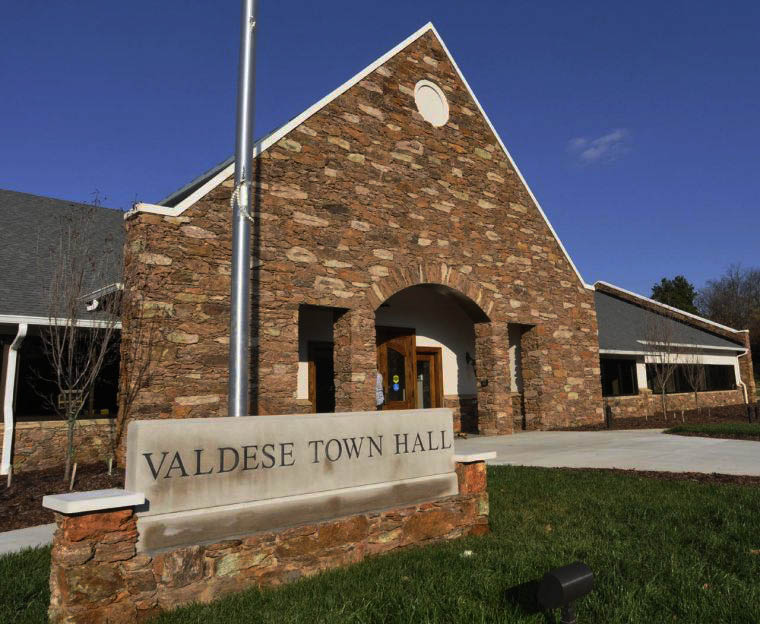
In honor of Valdese celebrating 125 years since their founding in 1893, the Valdese Public Arts Commission and the Town of Valdese have come together to create a commemorative art piece that will be located across from Valdese Town Hall on Massel Avenue. The art installation will depict the arrival of the original Waldensian settlers who came to Valdese on May 29th, 1893 as they departed the “No. 11” train at the Valdese Depot.
The installation will be created by the artists of Oak Hill Iron & Wood of Morganton and was designed by local artist Greg Mastin. The project will feature a full scale train and silhouettes of original settlers made out of iron. Standing between twelve and fifteen feet tall and extending parallel to Massel Avenue for over thirty feet, the installation will honor those who founded Valdese. The original settlers will be listed on a bronze plaque which will be created by the Waldensian Heritage Museum. The project will be installed during the summer months of 2018 and will make its debut at the Waldensian Festival on August 11th, 2018.
The cost for the installation has been pledged by the Valdese Public Arts Commission, the Town of Valdese, and Waldensian Heritage Museum. The Valdese Public Art Commission would like to request your support for this tremendous project. Your contributions will be used for landscaping, lighting and a boardwalk extension. Those interested in making a donation can mail or bring check or cash to the Waldensian Heritage Museum or the Valdese Community Affairs Office located at the Old Rock School. No donation is too big or too small and any support you provide will be greatly appreciated. Your tax deductible contributions will add additional features to the installation and will help to make this project even more of an iconic image for the Town of Valdese. Help us celebrate 125 years of our hometown!
Project updates will be available at www.valdese125.com | Call 828-879-2129
Donations can be made by:
Checks payable to: Waldensian Heritage Museum
*Please note - 125 TRAIN ART - in the memo line | Mailed to: Valdese Tourism Dept. - P.O. Box 655 Valdese NC 28690
*************************
Heritage
In May of 1893, a group of Waldenses, from the Cottian Alps of Northern Italy, settled on land located near the Catawba River in eastern Burke County in North Carolina, between the towns of Morganton and Hickory. The center of this community became the town of Valdese.
The Waldenses were pre-Reformation Christians with a religious ancestry that dates back to at least the 12th century. For centuries these Waldenses were persecuted by armies from both the governments of Italy and France and the official church. This tiny religious sect was forced to take refuge in the Valleys of the Cottian Alps of Northern Italy and remained secluded in the rugged mountains until they received their religious freedom by the Edict of 1848.
With this new peace their number grew rapidly until their Alpine farms could no longer support them. They looked elsewhere and began establishing colonies in other parts of Europe, South America, and the United States. They migrated to New York City, Chicago, Missouri, Texas and Utah, as well as Valdese. The Valdese colony became the largest Waldensian colony in the world located outside of Italy.
In the beginning, the Valdese settlers tried to make their living off the land as they had in Italy, but the poor soil would not produce. They turned instead to manufacturing, and with the same spirit of survival and determination of their ancestors, began to prosper. Today, Valdese has a solid manufacturing economy because of their efforts.
The Town of Valdese incorporated in 1920 and elected its first mayor, John Long, who was also the groom in the first Waldensian wedding in Valdese.
The story of the Waldenses is vividly told in the outdoor drama, "From This Day Forward" presented by Old Colony Players each summer in the Old Colony Amphitheater in Valdese.
Learn more about the history of Valdese and the Waldenses by visiting our local tourist attractions: the Waldensian Heritage Museum & Gift Shop, Waldensian Heritage Winery, P&W Railroad Museum, Village Park Mural, Rock School Art Galleries I &II and the Trail of Faith.
Valdese celebrated its Centennial in 1993 and the Centennial Park and Fountain was opened on Main Street to commemorate the event.
At the 2001 Waldensian Festival, a clock tower was dedicated to commemorate the new millennium.
Visit the American Waldensian Society Website
*************************
Waldensian Gospel Songs
Angrogna Valley - Waldensian cave
(Piedmont; Singing inside one of the caves the Waldensian people used to hide in, to escape religious persecution.)
.
Sunday, April 29, 2018
Waldensian Heritage Winery Story
WMNCNews
Dennis Powell: Co-owner of the Waldensian Heritage Winery in Valdese, NC.
************
http://www.waldensianwinery.com/
*************************
125th Celebration!
April 29, 2018: Tour of the Past. Spend a Sunday afternoon strolling through many buildings and homes of Valdese that were built by the Waldenses in the early 1900’s. This fundraising event will include transportation to each site with a tour guide and will conclude with a reception at the Waldensian Winery. Tickets will be available to purchase on February 1, 2018 at the Waldensian Heritage Museum. Tickets will be $40 per person or VIP for $60. Event is limited to 100 tickets. Beginning at 2pm at the Old Rock School.
************
As of the this posting date kicks off the start of the 125th anniversary festivities of the town of Valdese, North Carolina. If you needed a good excuse for a Southern vacation, or even just a weekend, this might be it. Particularly if you are of Piedmontese ancestry. The Piedmontese Waldensians were openly persecuted by Italian and Papal authorities in the 19th century, and they migrated out.
The town of Valdese is a direct result of this migration. At that time, America was the hope of persecuted people who needed no special coddling and pampering; but achieved a living by hard work and self-determination. "Valdese" were among the Voortrekkers in South Africa who headed north into the unknown to form farming communities in the 1830s. When blood-crazed Zulus from the northern tropical zone (what is now South Africa was uninhabited then) attacked and began killing every settler that they could find; a young Piedmontese Waldensian woman named Theresa Viglione took off on horseback and rode through very dangerous territory, risking her life to warn others of what was happening. She no doubt saved the lives of thousands of settlers, any which way you see it. The Valdese Carolinians were the same people as the Valdese Voortrekkers, and part of our people.
*************************
Visit Valdese NC
mwalker1028
Tour the Town of Valdese with our Attractions, Events & our Available Tours!
.
Tuesday, February 26, 2008
Valdese, North Carolina and the Waldensians
Town History (from town website)
In May of 1893, a group of Waldenses, from the Cottian Alps of Northern Italy, settled on land located near the Catawba River in eastern Burke County in North Carolina, between the towns of Morganton and Hickory. The center of this community became the town of Valdese.
The Waldenses were pre-Reformation Christians with a religious ancestry that dates back to at least the 12th century. For centuries these Waldenses were persecuted by armies from both the governments of Italy and France and the official church. This tiny religious sect was forced to take refuge in the Valleys of the Cottian Alps of Northern Italy and remained secluded in the rugged mountains until they received their religious freedom by the Edict of 1848.
With this new peace their number grew rapidly until their Alpine farms could no longer support them. They looked elsewhere and began establishing colonies in other parts of Europe, South America, and the United States. They migrated to New York City, Chicago, Missouri, Texas and Utah, as well as Valdese. The Valdese colony became the largest Waldensian colony in the world located outside of Italy.
In the beginning, the Valdese settlers tried to make their living off the land as they had in Italy, but the poor soil would not produce. They turned instead to manufacturing, and with the same spirit of survival and determination of their ancestors, began to prosper. Today, Valdese has a solid manufacturing economy because of their efforts.
The Town of Valdese incorporated in 1920 and elected its first mayor, John Long, who was also the groom in the first Waldensian wedding in Valdese.
The story of the Waldenses is vividly told in the outdoor drama, "From This Day Forward" presented by Old Colony Players each summer in the Old Colony Amphitheater in Valdese.
Learn more about the history of Valdese and the Waldenses by visiting our local tourist attractions: the Waldensian Museum, the Waldensian Heritage Wines Winery, and the Trail of Faith.
Valdese celebrated its Centennial in 1993 and the Centennial Park and Fountain was opened on Main Street to commemorate the event.
At the 2001 Waldensian Festival, a clock tower (shown at the top left corner of this page) was dedicated to commemorate the new millennium.
Town of Valdese, North Carolina Website
Valdese, North Carolina (Wikipedia)
Waldensians
The history of the Waldensians is a big subject. Probably just too much to try to attempt to place here. It began as a Christian spiritual movement in the later Middle Ages, and later became part of the much larger Protestant Reformation. The name "Waldensian," most believe, came from the man who seems to have founded what could be considered the origin of the movement: Peter Waldo. He began preaching "without official Church authorization" in Lyon, France in 1177. The vast majority of Waldensians were French, in the southern part of France. However, some were Piemontese, hence the translated Italian "Valdese." It was Piemontese Waldensians who founded the town of Valdese. The movement spread to German-speaking states and Bohemia.
Even though the town history didn't wish to get down and dirty into the subject, the truth is that the Waldensians were persecuted terribly for centuries. The Church designed charactures of Waldensians as witches, and made an endless slough of unconditional condemnations against them. There were even a number of massacres, including one particularly brutal one instigated by the Duke of Savoy in Piemonte. Although the persecution did die down some, many Waldensians emigrated to North and South America starting in the latter nineteenth century. Italian Waldensians migrated to Argentina and Uruguay, and to Valdese, North Carolina. Other Waldensians migrated to America, in places as diverse and New York, Texas, Utah, etc.
The city of Valdese, very much like Tontitown, is part of our heritage in America. In fact, both towns have very much in common. Both were founded by Northern Italian immigrants, both were in the rural South, both established themselves in the wine industry, and both were successful only after much sweat and toil. Tales of immigrants who had absolutely no assistance at all. You need some lumber? Chop down a tree, and start sawing. Need a job... some money? Go harvest some grapes. Start tomorrow at 5:30 AM. In Tontitown a lot of people actually died building that community, many from malaria.
Actually, there are also a lot of similarities with Genoese and other Northern Italian settlers in Northern California, especially during and after the Gold Rush. The settlement in Asti, California certainly comes to mind. The point is that they took the initiative themselves to create and build something. For example, a nineteenth century wilderness was soon transformed into a settlement with roads, houses, a schoolhouse, a small lumber mill, farms, vineyards, gardens, crops, ranches, a glass maker's shop, a blacksmith, horses, carriages, a small churchhouse, a grocery market... all constructed themselves. I may have lost it, but if someone has the story of Olivietta "Grandma Rolleri," please send it. I don't think I ever heard a story about a woman like that before. I've dedicated my life her that ideal.
The Waldensian/Valdese Church is very much alive today on three continents.


