Showing posts with label Disciplina Etrusca. Show all posts

Saturday, May 30, 2015

Etruscan women, mythology, and the god Veltha


Etruscan Women
 

Tanguy de Thuret
 

Twenty-five hundred years ago, Etruscan women living in the Italian region of what is now called Tuscany were afforded a remarkably equal status with men.
 

An American Art Historian & journalist explains her passion about them & why they are still relevant in contemporary Italian society.

**************************************************
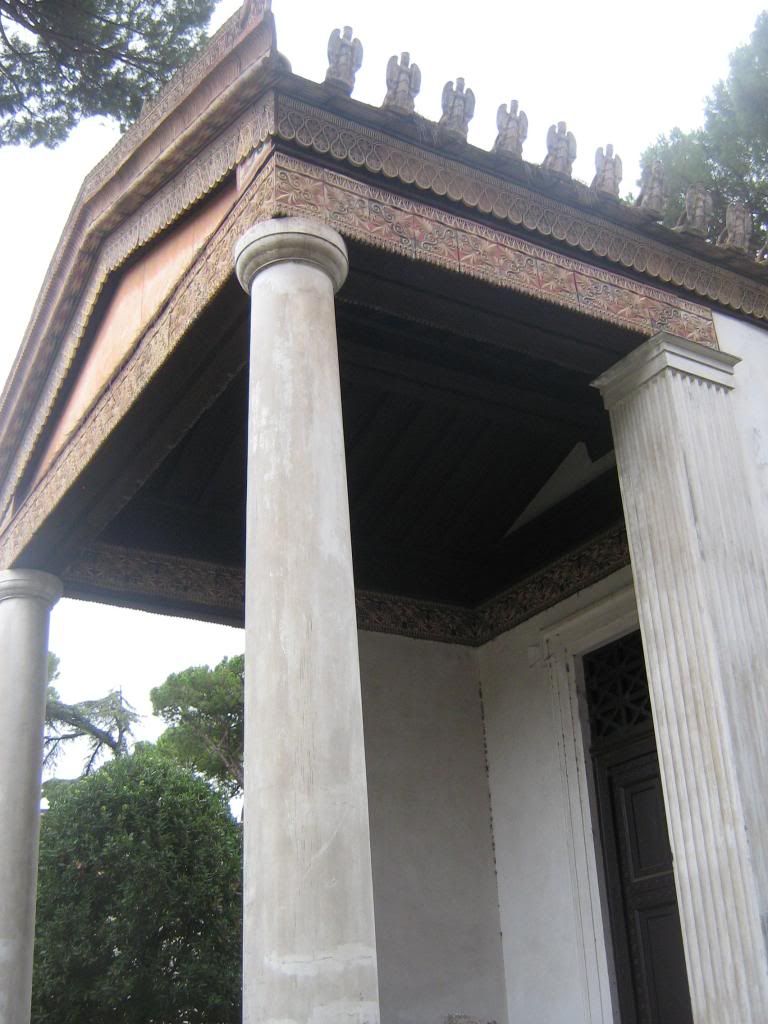
Etruscan mythology

The Etruscan pantheon and its mythology appears to be as mysterious and alluring as any others of the ancient world, yet little is known of it. Part of the reason is that the Romans defeated the Etruscan civilization, destroyed their structures and culture, stole their technology, wiped out any memory of them, and fully replaced them. Only later did they resurrect some of the Etruscan deities under different names. Although apparently goddess-orientated, the supreme god of the Etruscans was a male deity called Voltumna (or Veltha).
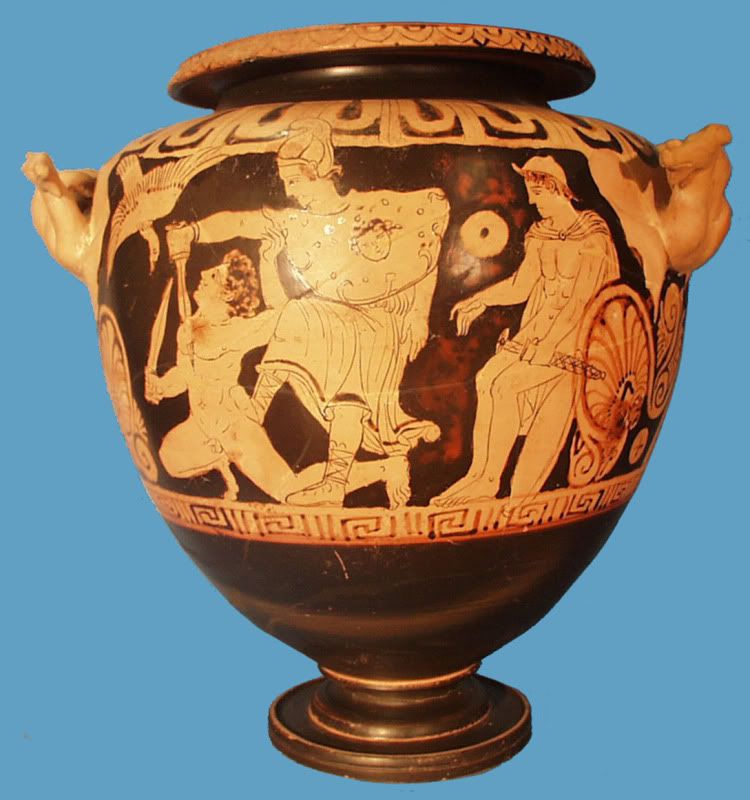
The 'Etrusca Disciplina', as they were later referred to by the Romans, were spiritual scriptures made up of three "books of fate." There does seem to be a book of this name in Italian, published in 2006, but it's already out of print... and no English translation. Apparently the original was translated into Latin, yet there is little about it online. I can't even find any evidence that these texts still exist in any form.


Re-imagining and re-imaging the Etruscan pantheon
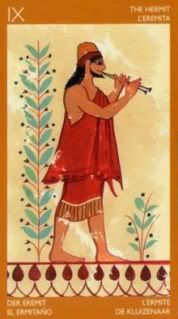
It's just like anything else, the Etruscan pantheon could be brought back into our imagination if there was the imagery available. For example, the imagery of Odin or Thor, Isis or Thoth, and Zeus or Poseidon, are known the world over. They're probably more known by their images--their dress and props, and the distinct cultural architecture amid the landscap in the background--than they are for even their legends. The Etruscans don't have this in today's world, partly because the Romans stole their thunder.

This would be an interesting challenge for an artist, to do proper research and attempt to recreate this pantheon in art... for example, the god Veltha or the goddess Alpanu. Voltumna, or Veltha as I prefer, is easily the equal of Zeus, Isis, or Odin.

.

Thursday, December 16, 2010

Was there an Etruscan Book of the Dead?


In the 1998 movie entitled 'The Eighteenth Angel', the fictional plot revolved around something called "The Etruscan Book of the Dead." However, was this based on ancient reality? Certainly we know that there was the Egyptian "Book of the Dead." Google shows 703 results for an exact search for "Etruscan Book of the Dead," but still, the evidence seems to be lacking. We do know that the plot in 'The Eighteenth Angel' was at least partly based on fiction, as it portrayed the book as having something to do with Satan. Satan was a Christian concept, and would not have been present in ancient Etruria.

One possible answer may be hinted at in the book 'Marcus Aurelius: A Life' (McLynn; 2009). According to the book, the former Emperor of Rome enjoyed talking about local wines and the "Etruscan book of the dead" (in lower case). Therefore, this lowercase "book of the dead" possibly could be merely a nickname for the 'Etrusca Disciplina'. To quote Wikipedia's "Etruscan mythology" page: The Etruscan religion was a revealed one. Its scriptures were a corpus of Etruscan texts termed the Etrusca Disciplina.

According to the Romans, who had vanquished the Etruscans long before, "Etruria" was a dead culture. The early Romans had destroyed virtually everything Etruscan, including its spiritual traditions, therefore, the later generations of Romans would have looked back to the pre-Roman period in the region as mysterious. "The dead." Maybe someone out there could give us a little help here, but it appears that this explanation makes sense.

To quote the MysteriousEtruscans.com Etruscan Religion page:

The disciplina etrusca seems to have comprised three categories of books of fate. The first was that of the libri haruspicini, which dealt with divination from the livers of sacrificed animals; the second, the libri fulgurates, on the interpretation of thunder and lightning; the third, the libri rituales, which covered a variety of matters. They contained, as Festus says, "prescriptions concerning the founding of cities, the consecration of altars and temples, the inviolability of ramparts, the laws relating to city gates, the division into tribes, curiae and centuriae, the constitution and organization of armies, and all other things of this nature concerning war and peace.

Among the libri rituales were also three further categories: the libri fatales, on the division of time and the life-span of individuals and peoples; the libri Acherontici, on the world beyond the grave and the rituals for salvation; and finally, the ostentaria, which gave rules for interpreting signs and portents and laid down the propitiatory and expiatory acts needed to obviate disaster and to placate the gods.

The "Etrucan book of the dead" is probably just a nickname for the 'Disciplina Etrusca' and its "books of fate."

.